EN BREF
Un messager qui contredit Jésus peut-il être reçu comme le confirmant ?
Le Coran présente Muhammad comme un exemple pour les croyants. Son message, ses permissions et sa conduite rapportée doivent être éprouvés à la lumière des paroles de Jésus, des témoins qu’il a mandatés et de son exemple moral. L’affirmation par un messager qu’il reçoit une révélation ne peut, à elle seule, établir l’autorité qui fonde ses privilèges. L’appel du Christ à l’amour qui se donne, à la vérité et à la sainteté expose ce qui n’atteint pas sa bonté. Nous avons besoin du Sauveur qui pardonne le péché et nous conduit dans une vie sanctifiée, et non d’une permission religieuse d’éluder ses paroles.
Choisissez un numéro de verset, l’icône de livre ou un mot souligné pour en lire davantage ici.
Un exemple à suivre, une autorité à éprouver.

Le Coran présente Muhammad comme un bon exemple pour les croyants () et loue son caractère (). Son message et sa conduite deviennent ainsi des objets d’examen public. Prétendre parler au nom de Dieu ne peut établir sa propre vérité par la seule exigence d’être accepté. Si le messager prétend aussi confirmer Jésus, nous devons comparer ce qu’il permet et proclame à ce que Jésus a réellement enseigné.

Considérez ce que ces révélations permettent à Muhammad lui-même de faire. Le Coran l’autorise à épouser, s’il le souhaite, une croyante qui s’offre à lui, en lui réservant expressément cette disposition. Le verset lui laisse le choix de différer ou d’accueillir des femmes dans ce cadre familial. Le verset restreint les nouveaux mariages et le remplacement des épouses, tout en conservant son exception pour les femmes esclaves qu’il possède. On rapporte aussi qu’Aisha a dit que les femmes lui étaient redevenues licites avant sa mort (Tirmidhi 3216). Ibn Kathir propose comme une explication la levée ultérieure de la restriction, tout en ajoutant que Muhammad ne s’est plus marié après elle. Ces dispositions concernent les propres mariages du messager et les relations sexuelles qui lui sont permises. L’homme qui transmet ces règles comme parole de Dieu est aussi celui qui en bénéficie. Sa revendication de révélation ne peut se prouver elle-même.
Coran 33:50 Coran 33:51 Coran 33:52 Jamiʿ al-Tirmidhi 3216 Ibn Kathir · Coran 33:52 (arabe)
Un message ultérieur peut-il contredire le Seigneur qu’il prétend honorer ?

Jésus exige que l’on honore le Fils comme on honore le Père, disant que celui qui n’honore pas le Fils n’honore pas le Père qui l’a envoyé (Jean ). Le Coran honore Jésus comme messager, interdit de dire « Trois » et nie que Dieu ait un fils ; rejette l’identification de Dieu au Messie. Le propre verdict de Jésus rend la conséquence claire : refuser au Fils l’honneur qu’il exige ne peut constituer une autre manière d’honorer le Père. Appeler Jésus prophète ne répond pas à son exigence. Un message qui prétend le confirmer doit répondre à ses paroles plutôt que remplacer leur sens.

Jésus ressuscité dit à ses disciples que le Messie devait souffrir et ressusciter des morts, et que la repentance et le pardon seraient proclamés en son nom. Il les établit comme témoins (Luc ). Le Coran 4:157–158 nie que les adversaires de Jésus l’aient tué ou crucifié et dit que Dieu l’a élevé vers lui-même. Quelle que soit l’explication musulmane de l’apparence de l’événement, ce récit ne proclame pas le Sauveur crucifié et ressuscité annoncé par les témoins de Jésus. Le désaccord concerne son œuvre salvatrice et le pardon dont les pécheurs ont besoin. Nous ne pouvons recevoir la mission que Jésus confie à ces témoins et rejeter leur proclamation centrale comme si ces deux décisions honoraient le même témoignage.

Jésus commande l’amour des ennemis et dit que ses serviteurs combattraient pour empêcher son arrestation si son royaume était de ce monde. Le Coran commande au contraire de combattre ceux des gens du Livre qu’il décrit comme ne croyant ni en Dieu ni au Jour dernier, ne prohibant pas ce que Dieu et son messager prohibent et ne suivant pas la religion de vérité, jusqu’à ce qu’ils paient la dans la soumission. Ce n’est pas un ordre de tuer chaque non-musulman, et l’enseignement de Jésus n’abolit pas tout usage civil de la force. Le contraste porte sur l’autorité religieuse : le Christ envoie une Église témoigner et aimer ses ennemis ; le commandement coranique place d’autres communautés religieuses sous une soumission politique imposée.

Jésus dit que recevoir ceux qu’il envoie, c’est le recevoir lui-même. Paul avertit donc que même un ange venu du ciel doit être rejeté s’il apporte un autre évangile. L’affirmation « un ange a révélé ceci » ne peut donc annuler l’Évangile qu’elle est censée confirmer. Un musulman peut répondre que les témoignages antérieurs ont été corrompus. Cette réponse exige des preuves du remplacement, et non une reconstruction définie par son accord avec celui qui revendique cette autorité plus tard. Les paroles de Jésus et des témoins qu’il a mandatés constituent le critère, et non un obstacle à écarter.
Quelle vie peut guider le peuple du Christ ?

Jésus dit à ses disciples de reconnaître les faux prophètes à leurs fruits. Il avertit aussi ceux qui l’appellent Seigneur tout en lui désobéissant ; les chrétiens sont donc eux-mêmes soumis à cette épreuve. Nous examinons l’enseignement et la conduite publics, et non les motivations cachées d’une personne. Le Nouveau Testament exige d’un surveillant ou ancien qu’il soit et conduise par l’exemple plutôt qu’en dominant le troupeau. Les chrétiens ont divergé sur la question de savoir si l’expression exclut également un veuf remarié ; Paul permet le remariage après la mort du conjoint. Elle exclut la polygamie simultanée.
Matthieu 7:15–23 1 Timothée 3:1–13 Tite 1:5–9 1 Pierre 5:1–3 1 Corinthiens 7:2, 7, 21, 39

Il s’agit d’un critère pour les responsables de l’Église, et non d’un verset énumérant les qualifications d’un prophète musulman. La comparaison importe pourtant lorsqu’une vie est offerte comme exemple moral. Jésus fonde le mariage sur l’union, par le Créateur, de l’homme et de la femme en . Le Coran permet deux, trois ou quatre épouses, en orientant l’homme vers une seule s’il craint l’injustice. Une permission différente ne satisfait pas au critère du Christ par le seul fait d’être appelée révélation.
Posséder une femme rend-il justes les relations sexuelles avec elle ?
Le Coran permet les relations sexuelles avec les épouses et avec les femmes esclaves décrites comme celles que possède la main droite d’un homme. Ce sont deux catégories distinctes : la permission relative à une esclave n’exige pas qu’elle soit son épouse. Le Coran introduit une exception à l’interdiction relative aux femmes mariées. Muslim 1456a la relie à des femmes capturées par l’armée de Muhammad à Awtas : certains de ses compagnons hésitaient à avoir des relations sexuelles avec elles parce qu’elles avaient des maris polythéistes, et le récit dit que Dieu révéla alors , les rendant licites après la fin de leur délai d’attente. Le Coran rend également licites pour Muhammad les femmes esclaves qui lui sont accordées comme butin de guerre. Le Coran recommande de libérer les esclaves, mais permet toujours à un homme de posséder une femme et d’avoir des relations sexuelles avec elle. Les dispositions d’affranchissement ne répondent pas à la question de savoir si la propriété doit conférer à un homme ce pouvoir sur une autre personne.
Coran 33:50 Coran 23:5–6 Coran 4:24 Coran 90:13 Coran 24:33 Sahih Muslim 1456a
Les chrétiens doivent parler avec autant de clarté de leurs propres Écritures. Lévitique permet aux Israélites d’acheter des étrangers comme esclaves et de les transmettre à leurs enfants comme propriété. La Torah règle également les relations d’un homme avec des femmes captives ou achetées. Deutéronome permet à un soldat de prendre une captive pour épouse après un mois de deuil pour ses parents ; s’il la rejette, il doit la laisser partir libre et ne peut la vendre. Exode traite d’une fille vendue comme servante et destinée à son maître ou au fils de celui-ci : sa nourriture, son vêtement et ses droits conjugaux ne doivent pas être diminués s’il prend une autre épouse, et la loi prévoit sa libération si ces obligations sont refusées. Ces femmes entrent dans le mariage, avec des obligations pour l’homme, tandis que le Coran maintient la propriété comme une catégorie distincte autorisant des relations sexuelles.
Deutéronome 21:10–14 Exode 21:7–11 Coran 23:5–6 Lévitique 25:39–46
Éphésiens 6 s’adresse encore aux esclaves et aux maîtres, au lieu d’annoncer une abolition légale immédiate. Le Nouveau Testament dit pourtant aux maîtres qu’ils ont en commun un même Maître impartial, appelle Onésime un frère bien-aimé, condamne les asservisseurs et encourage à saisir une occasion de liberté. Dans le mariage, Paul donne des devoirs réciproques au mari et à la femme ; il ne mentionne pas la propriété comme une relation sexuelle de remplacement. L’asservissement d’une femme ne peut établir l’amour qui se donne et la fidélité conjugale qu’exige le Christ. Le Seigneur que suivent les chrétiens prend la place du serviteur et se donne pour les autres. Sa bonté demande des comptes à notre pouvoir et à nos désirs, et nous enseigne à servir les personnes que l’appétit traiterait comme des possessions.
1 Corinthiens 7:2, 7, 21, 39 Éphésiens 6:5–9 1 Timothée 1:9–10 Philémon 10–17 Philippiens 2:5–8
Avant les règles : que permet la lecture classique ?
Le Coran fixe un délai d’attente après le divorce pour les femmes qui n’ont plus leurs règles et pour celles qui ne les ont pas eues. Ibn Kathir y inclut explicitement les jeunes filles qui n’ont pas encore commencé à avoir leurs règles. Le Coran dit qu’un divorce avant la consommation ne nécessite aucun délai d’attente. Selon cette lecture classique, le délai s’applique donc même après qu’un homme a eu des rapports sexuels avec une fille qui n’a pas encore commencé à avoir ses règles. La question morale concerne des rapports sexuels avec une enfant. Ces versets ne donnent pas l’âge de neuf ans ; cet âge explicite vient des examinés plus loin. Une permission d’avoir des rapports sexuels avec une enfant exige une réponse morale. La coutume historique ne peut établir à elle seule qu’il s’agit de l’exemple intemporel que Dieu veut voir suivre.
Coran 65:4 Coran 33:49 Ibn Kathir · commentaire du Coran 65:4 (arabe)
L’ancienne épouse de son propre fils adoptif.

Le Coran présente le mariage de Muhammad avec l’ancienne épouse de son propre fils adoptif, Zayd, comme un mariage disposé par Dieu. Son but déclaré est d’écarter l’objection au mariage des croyants avec les anciennes épouses de leurs fils adoptifs. Le Coran déclare que les fils adoptifs ne sont pas des fils au sens propre et ordonne d’employer les noms de leurs pères biologiques. Bukhari 4782 rapporte qu’avant ce changement, Zayd était appelé Zayd, fils de Muhammad. L’homme qui transmet cette révélation est aussi celui dont elle autorise le mariage. Les commandements coraniques de prendre soin des orphelins ne répondent pas à la question morale soulevée par ce mariage.
Coran 33:4–5 Coran 33:37 Coran 93:9 Coran 2:220 Sahih al-Bukhari 4782 · Zayd, fils de Muhammad

L’Évangile révèle l’accueil du Père par son Fils. L’apôtre de Jésus décrit les croyants , criant vers Dieu comme Père et devenant héritiers par le Christ. C’est une , et non l’affirmation que l’ascendance biologique d’un enfant disparaît. Toute personne ne possède pas non plus déjà la filiation qui sauve : Jean lie ce don au fait de recevoir le Christ et de croire en son nom. La promesse est merveilleuse précisément parce qu’elle est un don que nous avons besoin de recevoir. Par le Fils, ceux qui lui font confiance sont accueillis dans la famille du Père. Dieu donne ici une appartenance qui dépasse cette vie et tourne notre espérance vers lui.
Éprouvez le message, et non l’assurance de ses défenseurs.

L’Écriture dit que Dieu ne peut mentir, tandis que Jésus appelle le diable le père du mensonge. Cela fixe un critère sérieux pour quiconque revendique une révélation. Le Coran lui-même commande une parole droite et la compagnie des véridiques. Sa permission de renier sous la contrainte tandis que le cœur reste fidèle () n’est pas un ordre général de mentir aux personnes extérieures à la communauté. Jésus, au contraire, appelle ses disciples à le confesser devant les autres même sous la menace. L’appel chrétien est celui d’une vérité courageuse, soutenue par la miséricorde envers les pécheurs qui se repentent.
Tite 1:1–2 Jean 8:44 Matthieu 10:28–33 Coran 9:119 Coran 33:70 Coran 16:106

Le Coran dit qu’ils rusèrent et que Dieu rusa. Al-Qurtubi donne pour sens premier de le stratagème et la tromperie, et rapporte des explications du de Dieu comme le fait d’entraîner progressivement les comploteurs ou de rétribuer leur complot. Ibn Kathir l’explique comme Dieu donnant à un autre homme l’apparence de Jésus, que les assaillants crucifièrent alors. Il dit que les disciples de Jésus restés hors de la maison crurent eux aussi que le crucifié était Jésus, et présente cela comme une épreuve de Dieu pour ses serviteurs. C’est une affirmation différente de l’égarement judiciaire de 2 Thessaloniciens , qui frappe ceux qui n’ont pas accueilli l’amour de la vérité. Qualifier la substitution d’épreuve laisse encore une question : quels éléments antérieurs l’établissent face aux témoins proclamant la mort salvatrice et la résurrection de Jésus ? Jésus dit que quiconque appartient à la vérité écoute sa voix (Jean ). Choisir une traduction plus douce de ne répond pas à cette question.
Luc 24:44–49 2 Thessaloniciens 2:10–12 Coran 3:54 Jean 18:37 Ibn Kathir · commentaire du Coran 3:54 (arabe) Ibn Kathir · Coran 4:157 (arabe) al-Qurtubi · Coran 3:54 (arabe)
En savoir plus Afficher moins Le renvoi à l’Écriture antérieure

Le Coran dit conditionnellement à Muhammad que, s’il doute de ce qui lui a été révélé, il doit interroger ceux qui lisent l’Écriture antérieure. La condition n’est pas l’aveu qu’il aurait effectivement douté ; al-Tabari et Ibn Kathir rapportent qu’il n’a ni douté ni interrogé. Le renvoi garde son importance. L’Écriture antérieure est traitée comme une source de confirmation pour l’auditeur. Une affirmation ultérieure doit donc être éprouvée à la lumière de ce témoignage préalable, plutôt que soustraite à son examen en supposant que tout ce qui la contredit a nécessairement été altéré.
Coran 10:94 al-Tabari · commentaire de 10:94 (arabe) Ibn Kathir · commentaire de 10:94 (arabe)
Ce que conservent les deux .

Les ajoutent des récits précis aux permissions coraniques. Bukhari 4788 rapporte la jalousie d’Aisha au sujet des femmes s’offrant à Muhammad, puis sa remarque selon laquelle le Seigneur de celui-ci semble se hâter de satisfaire ses désirs. Le récit n’est ni un rejet par elle de son statut de prophète ni un aveu par lui d’une invention. Il rend néanmoins visible la question du bénéfice personnel au sein du propre dossier de la tradition sunnite.

Sur l’âge d’Aisha, les deux contiennent neuf récits numérotés : Bukhari 3894, 3896, 5133, 5134 et 5158, et Muslim 1422a–d. Tous les neuf situent le début des relations sexuelles de Muhammad avec Aisha lorsqu’elle avait neuf ans. Huit placent le mariage à six ans ; Muslim 1422c donne sept ans. Sept sont rapportés d’Aisha, dont trois à la première personne ; deux sont des déclarations d’Urwa. L’affirmation concerne les rapports sexuels de Muhammad avec une fille de neuf ans. Elle figure dans les deux recueils traditionnellement investis de la plus haute autorité dans l’islam sunnite, et non dans une accusation marginale fournie par des critiques chrétiens.
Sahih al-Bukhari 5133 Sahih al-Bukhari 5134 Sahih Muslim 1422a Sahih Muslim 1422c Sahih al-Bukhari 3894 Sahih al-Bukhari 3896 Sahih al-Bukhari 5158 Sahih Muslim 1422b Sahih Muslim 1422d

Les récits suivent trois voies : Hisham d’après Urwa ; al-Zuhri d’après Urwa ; et al-A’mash par Ibrahim et al-Aswad. Les deux dernières ne passent pas par Hisham. Compter séparément les chaînes réunies dans les récits numérotés de Muslim donne onze lignes de transmission selon une convention ; compter chaque maître nommé séparément change le total. Neuf récits ne signifient donc pas neuf témoins oculaires indépendants, et « onze » masque ce qui est compté. Leur statut dans la tradition et leur accord sur neuf ans constituent les points les plus forts.
Sahih al-Bukhari 5133 Sahih Muslim 1422a Sahih Muslim 1422c Sahih Muslim 1422b Sahih Muslim 1422d
En savoir plus Afficher moins Autres récits sur le foyer et la révélation

Muslim 2436 rapporte que Muhammad n’a épousé aucune autre femme du vivant de Khadija ; Bukhari 5067 mentionne ensuite neuf épouses. Muslim 1456a relie l’exception concernant les captives à celles d’Awtas dont les maris étaient polythéistes. Bukhari 3 décrit la peur de Muhammad après la première révélation, les paroles rassurantes de Khadija et l’identification du messager par Waraqa. Il ne dit pas qu’un démon lui a parlé. La peur ne prouve à elle seule ni une origine divine ni une origine démoniaque. Les encouragements de la famille ne tranchent pas la vérité du message ; son contenu doit toujours passer l’épreuve.
Sahih Muslim 2436 Sahih al-Bukhari 5067 Sahih Muslim 1456a Sahih al-Bukhari 3
Contexte, devoirs et loi morale différente ?

Un musulman peut répondre que Dieu donne aux prophètes des devoirs et permissions particuliers ; que les mariages de Muhammad servaient des objectifs communautaires ; que l’affranchissement améliorait un système esclavagiste existant ; et que les règles d’adoption protègent la filiation tout en maintenant la prise en charge des orphelins. Les paroles d’Aisha peuvent se comprendre comme de la jalousie ou une plaisanterie. Le mariage précoce appartenait à une autre société. Un musulman peut aussi interpréter dans le contexte de la guerre et du gouvernement plutôt que comme un ordre d’imposer la conversion. Il peut également invoquer la restriction de , tout en tenant compte des récits concernant sa levée ultérieure. Ces explications décrivent comment un croyant peut concilier les récits avec une autorité déjà acceptée. Elles exigent toujours des preuves que cette autorité vient de Dieu.
Coran 33:50 Coran 33:52 Coran 24:33 Coran 33:4–5 Coran 93:9 Coran 9:29 Jamiʿ al-Tirmidhi 3216 Ibn Kathir · Coran 33:52 (arabe) Sahih al-Bukhari 4788

Le musulman peut aussi demander pourquoi les chrétiens jugent Muhammad alors que leurs propres Écritures relatent des rois ayant plusieurs épouses et réglementent l’esclavage. Et si Jésus ne s’est pas marié, comment peut-il enseigner à un mari ? Bukhari 5063 présente Muhammad défendant le mariage face à la résolution d’un compagnon de ne jamais se marier. Une comparaison équitable doit répondre à ces questions à partir de la Bible plutôt que prétendre que ses passages difficiles n’existent pas.
Deutéronome 17:17 2 Samuel 11–12 Lévitique 25:39–46 Sahih al-Bukhari 5063


Le poison et l’avertissement du Coran lui-même
Le Coran avertit que, si le messager avait inventé des paroles contre Dieu, Dieu l’aurait saisi et lui aurait tranché le . Bukhari 4428 rapporte que Muhammad, pendant sa dernière maladie, disait souffrir encore du repas de Khaybar et sentir son se couper sous l’effet de ce poison.
Sahih al-Bukhari 4428 · dernière maladie et poison de Khaybar Coran 69:44–46 Ibn Kathir · Coran 69:46 (arabe)
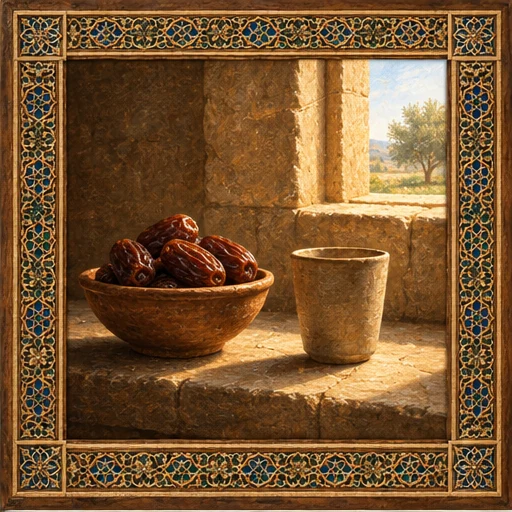
Cela soulève aussi une question directe : si sept dattes protègent du poison, pourquoi Muhammad en a-t-il subi les effets ? Bukhari 5445 promet une protection pour la journée à celui qui mange sept dattes le matin. Ces récits n’établissent pas qu’il en ait mangé le matin du repas empoisonné de Khaybar ; son seul empoisonnement ne prouve donc pas que la promesse ait échoué dans ses conditions précises. Ce détail manquant n’apporte aucune preuve que la protection promise fonctionne.
Sahih al-Bukhari 5445 · sept dattes Ajwa Sahih al-Bukhari 4428 · dernière maladie et poison de Khaybar

et peuvent tous deux être traduits par aorte, et les lexiques classiques leur donnent des sens qui se recoupent pour des vaisseaux vitaux reliés au cœur. Ce sont deux mots arabes distincts ; la correspondance verbale est donc moins directe que ne le suggèrent des traductions anglaises identiques. Cette différence n’efface pas la correspondance : les deux passages décrivent la section d’un vaisseau vital. Cela reste un élément de preuve pertinent à peser, même si la sensation rapportée n’établit pas une rupture artérielle observée.

La réponse musulmane est que son heure était venue après l’accomplissement de sa mission, que sa mort était un martyre et que l’avertissement coranique menace d’un châtiment immédiat en cas d’invention. Cela donne un autre sens à sa mort ; cela n’établit pas la promesse des dattes et ne fait pas disparaître la correspondance. Son enseignement doit toujours être éprouvé à la lumière de la révélation qu’il prétend confirmer.
Ibn Kathir · Coran 69:44 (arabe) IslamQA 261224 · réponse sur le martyre et le moment du châtiment
Voir le Christ et devenir semblable à lui.

Le Coran décrit le paradis avec des jardins, des fleuves de vin et des compagnons. Il nie aussi les effets nocifs de ce vin, promet des cœurs purifiés et dit que l’agrément de Dieu est plus grand que les jardins. L’espérance islamique ne peut équitablement être réduite au sexe et à la boisson. Les chrétiens doivent comparer les promesses réelles plutôt qu’une caricature.
Coran 47:15 Coran 37:47 Coran 2:25 Coran 44:54 Coran 9:72 Coran 15:47

La Bible célèbre elle aussi les dons de la création : le mariage est honorable, Ésaïe parle d’un festin et Jésus promet le fruit de la vigne dans le royaume de son Père. Pourtant, Jésus dit que les hommes et les femmes ne se marient pas à la résurrection. La joie finale est Dieu habitant avec son peuple, avec la promesse que les croyants seront semblables au Christ lorsqu’ils le verront. L’espérance chrétienne unit une création restaurée à un caractère transformé : le désir lui-même rendu saint, et non seulement satisfait.
Hébreux 13:4 Ésaïe 25:6–8 Matthieu 26:26–29 Matthieu 22:23–33 Apocalypse 21:1–4 1 Jean 3:1–3
L’opposition de Paul entre la chair et l’Esprit ne condamne pas le corps. Les œuvres de la chair comprennent la haine, l’envie et l’idolâtrie, ainsi que l’immoralité sexuelle et l’ivrognerie ; il avertit que ceux qui pratiquent de telles choses n’hériteront pas du royaume de Dieu. L’Esprit produit l’amour, la joie, la paix et la maîtrise de soi. Les croyants sont appelés à porter leurs affections vers les choses d’en haut et à se revêtir dès maintenant de l’amour. Le péché appelle la repentance, et nos désirs ont besoin d’être renouvelés. Le Sauveur qui lave les pieds de ses disciples est à la fois notre modèle et notre espérance : Dieu transforme nos désirs pour que la sainteté, l’amour et sa présence deviennent notre délice.
Galates 5:19–23 Colossiens 3:1–14 Romains 8:5–8 Jean 13:12–15 Psaume 16:11
Le Seigneur qui se donne.
Jésus refuse le modèle des dirigeants qui dominent. Il est venu servir et donner sa vie en pour beaucoup. Son autorité est sainte et bonne : le Seigneur porte à la croix le fardeau des pécheurs, ressuscite des morts et nous appelle à l’amour qu’il a montré. Notre péché est assez grave pour exiger cette miséricorde, et l’amour de Dieu nous rejoint dans notre besoin. L’invitation chrétienne est de faire confiance au Sauveur qui se donne pour les pécheurs, de recevoir le pardon proclamé en son nom et de le suivre dans la repentance et l’amour.
Examinez les affirmations devant vous. Honorent-elles le Fils comme il l’a commandé, préservent-elles l’Évangile prêché par ses témoins et nous conduisent-elles à son caractère ? Nous avons besoin du pardon, d’un cœur nouveau et de la vie avec Dieu. Jésus parle de la lumière qui dévoile les mauvaises œuvres et nous appelle à venir dans cette lumière. La honte du péché n’est pas condamnée à finir dans le désespoir : Dieu a donné son Fils afin que quiconque croit en lui ne périsse pas, mais ait la vie éternelle. Tournez-vous vers Celui qui vous appelle à la sainteté et se donne pour sauver les pécheurs. En lui, la repentance ouvre sur une vie d’amour et d’espérance devant Dieu.
Marc 10:42–45 1 Jean 3:1–3 Jean 5:22–23 Jean 3:14–21 2 Corinthiens 7:9–10
Consultez les sources.
Liste complète des sources(110)
King James Version
Deuteronomy 21:10–14
Ce texte source est en anglais.
10¶ When thou goest forth to war against thine enemies, and the LORD thy God hath delivered them into thine hands, and thou hast taken them captive,
11And seest among the captives a beautiful woman, and hast a desire unto her, that thou wouldest have her to thy wife;
12Then thou shalt bring her home to thine house; and she shall shave her head, and pare her nails;
13And she shall put the raiment of her captivity from off her, and shall remain in thine house, and bewail her father and her mother a full month: and after that thou shalt go in unto her, and be her husband, and she shall be thy wife.
14And it shall be, if thou have no delight in her, then thou shalt let her go whither she will; but thou shalt not sell her at all for money, thou shalt not make merchandise of her, because thou hast humbled her.
King James Version
Exodus 21:7–11
Ce texte source est en anglais.
7¶ And if a man sell his daughter to be a maidservant, she shall not go out as the menservants do.
8If she please not her master, who hath betrothed her to himself, then shall he let her be redeemed: to sell her unto a strange nation he shall have no power, seeing he hath dealt deceitfully with her.
9And if he have betrothed her unto his son, he shall deal with her after the manner of daughters.
10If he take him another wife; her food, her raiment, and her duty of marriage, shall he not diminish.
11And if he do not these three unto her, then shall she go out free without money.
M. Pickthall · English translation
Qur’an 33:50
Ce texte source est en anglais.
50O Prophet! Lo! We have made lawful unto thee thy wives unto whom thou hast paid their dowries, and those whom thy right hand possesseth of those whom Allah hath given thee as spoils of war, and the daughters of thine uncle on the father's side and the daughters of thine aunts on the father's side, and the daughters of thine uncle on the mother's side and the daughters of thine aunts on the mother's side who emigrated with thee, and a believing woman if she give herself unto the Prophet and the Prophet desire to ask her in marriage - a privilege for thee only, not for the (rest of) believers - We are Aware of that which We enjoined upon them concerning their wives and those whom their right hands possess - that thou mayst be free from blame, for Allah is ever Forgiving, Merciful.
M. Pickthall · English translation
Qur’an 33:51
Ce texte source est en anglais.
51Thou canst defer whom thou wilt of them and receive unto thee whom thou wilt, and whomsoever thou desirest of those whom thou hast set aside (temporarily), it is no sin for thee (to receive her again); that is better; that they may be comforted and not grieve, and may all be pleased with what thou givest them. Allah knoweth what is in your hearts (O men), and Allah is ever Forgiving, Clement.
M. Pickthall · English translation
Qur’an 33:52
Ce texte source est en anglais.
52It is not allowed thee to take (other) women henceforth, nor that thou shouldst change them for other wives even though their beauty pleased thee, save those whom thy right hand possesseth. And Allah is ever Watcher over all things.
King James Version
Deuteronomy 17:17
Ce texte source est en anglais.
17Neither shall he multiply wives to himself, that his heart turn not away: neither shall he greatly multiply to himself silver and gold.
King James Version
2 Samuel 11
Ce texte source est en anglais.
1And it came to pass, after the year was expired, at the time when kings go forth to battle, that David sent Joab, and his servants with him, and all Israel; and they destroyed the children of Ammon, and besieged Rabbah. But David tarried still at Jerusalem.
2¶ And it came to pass in an eveningtide, that David arose from off his bed, and walked upon the roof of the king’s house: and from the roof he saw a woman washing herself; and the woman was very beautiful to look upon.
3And David sent and enquired after the woman. And one said, Is not this Bath-sheba, the daughter of Eliam, the wife of Uriah the Hittite?
4And David sent messengers, and took her; and she came in unto him, and he lay with her; for she was purified from her uncleanness: and she returned unto her house.
5And the woman conceived, and sent and told David, and said, I am with child.
6¶ And David sent to Joab, saying, Send me Uriah the Hittite. And Joab sent Uriah to David.
7And when Uriah was come unto him, David demanded of him how Joab did, and how the people did, and how the war prospered.
8And David said to Uriah, Go down to thy house, and wash thy feet. And Uriah departed out of the king’s house, and there followed him a mess of meat from the king.
King James Version
Mark 10:42–45
Ce texte source est en anglais.
42But Jesus called them to him, and saith unto them, Ye know that they which are accounted to rule over the Gentiles exercise lordship over them; and their great ones exercise authority upon them.
43But so shall it not be among you: but whosoever will be great among you, shall be your minister:
44And whosoever of you will be the chiefest, shall be servant of all.
45For even the Son of man came not to be ministered unto, but to minister, and to give his life a ransom for many.
King James Version
Matthew 19:4–6
Ce texte source est en anglais.
4And he answered and said unto them, Have ye not read, that he which made them at the beginning made them male and female,
5And said, For this cause shall a man leave father and mother, and shall cleave to his wife: and they twain shall be one flesh?
6Wherefore they are no more twain, but one flesh. What therefore God hath joined together, let not man put asunder.
M. Pickthall · English translation
Qur’an 33:21
Ce texte source est en anglais.
21Verily in the messenger of Allah ye have a good example for him who looketh unto Allah and the Last Day, and remembereth Allah much.
King James Version
Matthew 7:15–23
Ce texte source est en anglais.
15¶ Beware of false prophets, which come to you in sheep’s clothing, but inwardly they are ravening wolves.
16Ye shall know them by their fruits. Do men gather grapes of thorns, or figs of thistles?
17Even so every good tree bringeth forth good fruit; but a corrupt tree bringeth forth evil fruit.
18A good tree cannot bring forth evil fruit, neither can a corrupt tree bring forth good fruit.
19Every tree that bringeth not forth good fruit is hewn down, and cast into the fire.
20Wherefore by their fruits ye shall know them.
21¶ Not every one that saith unto me, Lord, Lord, shall enter into the kingdom of heaven; but he that doeth the will of my Father which is in heaven.
22Many will say to me in that day, Lord, Lord, have we not prophesied in thy name? and in thy name have cast out devils? and in thy name done many wonderful works?
M. Pickthall · English translation
Qur’an 68:4
Ce texte source est en anglais.
4And lo! thou art of a tremendous nature.
King James Version
1 Timothy 3:1–13
Ce texte source est en anglais.
1This is a true saying, If a man desire the office of a bishop, he desireth a good work.
2A bishop then must be blameless, the husband of one wife, vigilant, sober, of good behaviour, given to hospitality, apt to teach;
3Not given to wine, no striker, not greedy of filthy lucre; but patient, not a brawler, not covetous;
4One that ruleth well his own house, having his children in subjection with all gravity;
5(For if a man know not how to rule his own house, how shall he take care of the church of God?)
6Not a novice, lest being lifted up with pride he fall into the condemnation of the devil.
7Moreover he must have a good report of them which are without; lest he fall into reproach and the snare of the devil.
8Likewise must the deacons be grave, not doubletongued, not given to much wine, not greedy of filthy lucre;
King James Version
Titus 1:5–9
Ce texte source est en anglais.
5For this cause left I thee in Crete, that thou shouldest set in order the things that are wanting, and ordain elders in every city, as I had appointed thee:
6If any be blameless, the husband of one wife, having faithful children not accused of riot or unruly.
7For a bishop must be blameless, as the steward of God; not selfwilled, not soon angry, not given to wine, no striker, not given to filthy lucre;
8But a lover of hospitality, a lover of good men, sober, just, holy, temperate;
9Holding fast the faithful word as he hath been taught, that he may be able by sound doctrine both to exhort and to convince the gainsayers.
King James Version
1 Peter 5:1–3
Ce texte source est en anglais.
1The elders which are among you I exhort, who am also an elder, and a witness of the sufferings of Christ, and also a partaker of the glory that shall be revealed:
2Feed the flock of God which is among you, taking the oversight thereof, not by constraint, but willingly; not for filthy lucre, but of a ready mind;
3Neither as being lords over God’s heritage, but being ensamples to the flock.
King James Version
1 Corinthians 7
Ce texte source est en anglais.
1Now concerning the things whereof ye wrote unto me: It is good for a man not to touch a woman.
2Nevertheless, to avoid fornication, let every man have his own wife, and let every woman have her own husband.
3Let the husband render unto the wife due benevolence: and likewise also the wife unto the husband.
4The wife hath not power of her own body, but the husband: and likewise also the husband hath not power of his own body, but the wife.
5Defraud ye not one the other, except it be with consent for a time, that ye may give yourselves to fasting and prayer; and come together again, that Satan tempt you not for your incontinency.
6But I speak this by permission, and not of commandment.
7For I would that all men were even as I myself. But every man hath his proper gift of God, one after this manner, and another after that.
8I say therefore to the unmarried and widows, It is good for them if they abide even as I.
M. Pickthall · English translation
Qur’an 4:3
Ce texte source est en anglais.
3And if ye fear that ye will not deal fairly by the orphans, marry of the women, who seem good to you, two or three or four; and if ye fear that ye cannot do justice (to so many) then one (only) or (the captives) that your right hands possess. Thus it is more likely that ye will not do injustice.
King James Version
Ephesians 5:18–32
Ce texte source est en anglais.
18And be not drunk with wine, wherein is excess; but be filled with the Spirit;
19Speaking to yourselves in psalms and hymns and spiritual songs, singing and making melody in your heart to the Lord;
20Giving thanks always for all things unto God and the Father in the name of our Lord Jesus Christ;
21Submitting yourselves one to another in the fear of God.
22Wives, submit yourselves unto your own husbands, as unto the Lord.
23For the husband is the head of the wife, even as Christ is the head of the church: and he is the saviour of the body.
24Therefore as the church is subject unto Christ, so let the wives be to their own husbands in every thing.
25Husbands, love your wives, even as Christ also loved the church, and gave himself for it;
King James Version
Hebrews 13:4
Ce texte source est en anglais.
4Marriage is honourable in all, and the bed undefiled: but whoremongers and adulterers God will judge.
King James Version
1 Timothy 4:1–5
Ce texte source est en anglais.
1Now the Spirit speaketh expressly, that in the latter times some shall depart from the faith, giving heed to seducing spirits, and doctrines of devils;
2Speaking lies in hypocrisy; having their conscience seared with a hot iron;
3Forbidding to marry, and commanding to abstain from meats, which God hath created to be received with thanksgiving of them which believe and know the truth.
4For every creature of God is good, and nothing to be refused, if it be received with thanksgiving:
5For it is sanctified by the word of God and prayer.
M. Pickthall · English translation
Qur’an 47:15
Ce texte source est en anglais.
15A similitude of the Garden which those who keep their duty (to Allah) are promised: Therein are rivers of water unpolluted, and rivers of milk whereof the flavour changeth not, and rivers of wine delicious to the drinkers, and rivers of clear-run honey; therein for them is every kind of fruit, with pardon from their Lord. (Are those who enjoy all this) like those who are immortal in the Fire and are given boiling water to drink so that it teareth their bowels?
M. Pickthall · English translation
Qur’an 37:47
Ce texte source est en anglais.
47Wherein there is no headache nor are they made mad thereby.
M. Pickthall · English translation
Qur’an 2:25
Ce texte source est en anglais.
25And give glad tidings (O Muhammad) unto those who believe and do good works; that theirs are Gardens underneath which rivers flow; as often as they are regaled with food of the fruit thereof, they say: this is what was given us aforetime; and it is given to them in resemblance. There for them are pure companions; there for ever they abide.
M. Pickthall · English translation
Qur’an 44:54
Ce texte source est en anglais.
54Even so (it will be). And We shall wed them unto fair ones with wide, lovely eyes.
M. Pickthall · English translation
Qur’an 9:72
Ce texte source est en anglais.
72Allah promiseth to the believers, men and women, Gardens underneath which rivers flow, wherein they will abide - blessed dwellings in Gardens of Eden. And - greater (far)! - acceptance from Allah. That is the supreme triumph.
King James Version
Isaiah 25:6–8
Ce texte source est en anglais.
6¶ And in this mountain shall the LORD of hosts make unto all people a feast of fat things, a feast of wines on the lees, of fat things full of marrow, of wines on the lees well refined.
7And he will destroy in this mountain the face of the covering cast over all people, and the vail that is spread over all nations.
8He will swallow up death in victory; and the Lord GOD will wipe away tears from off all faces; and the rebuke of his people shall he take away from off all the earth: for the LORD hath spoken it.
King James Version
Matthew 26:26–29
Ce texte source est en anglais.
26¶ And as they were eating, Jesus took bread, and blessed it, and brake it, and gave it to the disciples, and said, Take, eat; this is my body.
27And he took the cup, and gave thanks, and gave it to them, saying, Drink ye all of it;
28For this is my blood of the new testament, which is shed for many for the remission of sins.
29But I say unto you, I will not drink henceforth of this fruit of the vine, until that day when I drink it new with you in my Father’s kingdom.
King James Version
Galatians 5:19–23
Ce texte source est en anglais.
19Now the works of the flesh are manifest, which are these; Adultery, fornication, uncleanness, lasciviousness,
20Idolatry, witchcraft, hatred, variance, emulations, wrath, strife, seditions, heresies,
21Envyings, murders, drunkenness, revellings, and such like: of the which I tell you before, as I have also told you in time past, that they which do such things shall not inherit the kingdom of God.
22But the fruit of the Spirit is love, joy, peace, longsuffering, gentleness, goodness, faith,
23Meekness, temperance: against such there is no law.
King James Version
Matthew 22:23–33
Ce texte source est en anglais.
23¶ The same day came to him the Sadducees, which say that there is no resurrection, and asked him,
24Saying, Master, Moses said, If a man die, having no children, his brother shall marry his wife, and raise up seed unto his brother.
25Now there were with us seven brethren: and the first, when he had married a wife, deceased, and, having no issue, left his wife unto his brother:
26Likewise the second also, and the third, unto the seventh.
27And last of all the woman died also.
28Therefore in the resurrection whose wife shall she be of the seven? for they all had her.
29Jesus answered and said unto them, Ye do err, not knowing the scriptures, nor the power of God.
30For in the resurrection they neither marry, nor are given in marriage, but are as the angels of God in heaven.
King James Version
Revelation 21:1–4
Ce texte source est en anglais.
1And I saw a new heaven and a new earth: for the first heaven and the first earth were passed away; and there was no more sea.
2And I John saw the holy city, new Jerusalem, coming down from God out of heaven, prepared as a bride adorned for her husband.
3And I heard a great voice out of heaven saying, Behold, the tabernacle of God is with men, and he will dwell with them, and they shall be his people, and God himself shall be with them, and be their God.
4And God shall wipe away all tears from their eyes; and there shall be no more death, neither sorrow, nor crying, neither shall there be any more pain: for the former things are passed away.
King James Version
1 John 3:1–3
Ce texte source est en anglais.
1Behold, what manner of love the Father hath bestowed upon us, that we should be called the sons of God: therefore the world knoweth us not, because it knew him not.
2Beloved, now are we the sons of God, and it doth not yet appear what we shall be: but we know that, when he shall appear, we shall be like him; for we shall see him as he is.
3And every man that hath this hope in him purifieth himself, even as he is pure.
King James Version
Colossians 3:1–14
Ce texte source est en anglais.
1If ye then be risen with Christ, seek those things which are above, where Christ sitteth on the right hand of God.
2Set your affection on things above, not on things on the earth.
3For ye are dead, and your life is hid with Christ in God.
4When Christ, who is our life, shall appear, then shall ye also appear with him in glory.
5Mortify therefore your members which are upon the earth; fornication, uncleanness, inordinate affection, evil concupiscence, and covetousness, which is idolatry:
6For which things’ sake the wrath of God cometh on the children of disobedience:
7In the which ye also walked some time, when ye lived in them.
8But now ye also put off all these; anger, wrath, malice, blasphemy, filthy communication out of your mouth.
King James Version
Romans 8:5–8
Ce texte source est en anglais.
5For they that are after the flesh do mind the things of the flesh; but they that are after the Spirit the things of the Spirit.
6For to be carnally minded is death; but to be spiritually minded is life and peace.
7Because the carnal mind is enmity against God: for it is not subject to the law of God, neither indeed can be.
8So then they that are in the flesh cannot please God.
M. Pickthall · English translation
Qur’an 15:47
Ce texte source est en anglais.
47And We remove whatever rancour may be in their breasts. As brethren, face to face, (they rest) on couches raised.
King James Version
John 13:12–15
Ce texte source est en anglais.
12So after he had washed their feet, and had taken his garments, and was set down again, he said unto them, Know ye what I have done to you?
13Ye call me Master and Lord: and ye say well; for so I am.
14If I then, your Lord and Master, have washed your feet; ye also ought to wash one another’s feet.
15For I have given you an example, that ye should do as I have done to you.
King James Version
Psalms 16:11
Ce texte source est en anglais.
11Thou wilt shew me the path of life: in thy presence is fulness of joy; at thy right hand there are pleasures for evermore.
M. Pickthall · English translation
Qur’an 23:5–6
Ce texte source est en anglais.
5And who guard their modesty -
6Save from their wives or the (slaves) that their right hands possess, for then they are not blameworthy,
M. Pickthall · English translation
Qur’an 4:24
Ce texte source est en anglais.
24And all married women (are forbidden unto you) save those (captives) whom your right hands possess. It is a decree of Allah for you. Lawful unto you are all beyond those mentioned, so that ye seek them with your wealth in honest wedlock, not debauchery. And those of whom ye seek content (by marrying them), give unto them their portions as a duty. And there is no sin for you in what ye do by mutual agreement after the duty (hath been done). Lo! Allah is ever Knower, Wise.
M. Pickthall · English translation
Qur’an 90:13
Ce texte source est en anglais.
13(It is) to free a slave,
M. Pickthall · English translation
Qur’an 24:33
Ce texte source est en anglais.
33And let those who cannot find a match keep chaste till Allah give them independence by His grace. And such of your slaves as seek a writing (of emancipation), write it for them if ye are aware of aught of good in them, and bestow upon them of the wealth of Allah which He hath bestowed upon you. Force not your slave-girls to whoredom that ye may seek enjoyment of the life of the world, if they would preserve their chastity. And if one force them, then (unto them), after their compulsion, lo! Allah will be Forgiving, Merciful.
King James Version
Leviticus 25:39–46
Ce texte source est en anglais.
39¶ And if thy brother that dwelleth by thee be waxen poor, and be sold unto thee; thou shalt not compel him to serve as a bondservant:
40But as an hired servant, and as a sojourner, he shall be with thee, and shall serve thee unto the year of jubile:
41And then shall he depart from thee, both he and his children with him, and shall return unto his own family, and unto the possession of his fathers shall he return.
42For they are my servants, which I brought forth out of the land of Egypt: they shall not be sold as bondmen.
43Thou shalt not rule over him with rigour; but shalt fear thy God.
44Both thy bondmen, and thy bondmaids, which thou shalt have, shall be of the heathen that are round about you; of them shall ye buy bondmen and bondmaids.
45Moreover of the children of the strangers that do sojourn among you, of them shall ye buy, and of their families that are with you, which they begat in your land: and they shall be your possession.
46And ye shall take them as an inheritance for your children after you, to inherit them for a possession; they shall be your bondmen for ever: but over your brethren the children of Israel, ye shall not rule one over another with rigour.
King James Version
Ephesians 6:5–9
Ce texte source est en anglais.
5Servants, be obedient to them that are your masters according to the flesh, with fear and trembling, in singleness of your heart, as unto Christ;
6Not with eyeservice, as menpleasers; but as the servants of Christ, doing the will of God from the heart;
7With good will doing service, as to the Lord, and not to men:
8Knowing that whatsoever good thing any man doeth, the same shall he receive of the Lord, whether he be bond or free.
9And, ye masters, do the same things unto them, forbearing threatening: knowing that your Master also is in heaven; neither is there respect of persons with him.
King James Version
1 Timothy 1:9–10
Ce texte source est en anglais.
9Knowing this, that the law is not made for a righteous man, but for the lawless and disobedient, for the ungodly and for sinners, for unholy and profane, for murderers of fathers and murderers of mothers, for manslayers,
10For whoremongers, for them that defile themselves with mankind, for menstealers, for liars, for perjured persons, and if there be any other thing that is contrary to sound doctrine;
King James Version
Philemon 1:10–17
Ce texte source est en anglais.
10I beseech thee for my son Onesimus, whom I have begotten in my bonds:
11Which in time past was to thee unprofitable, but now profitable to thee and to me:
12Whom I have sent again: thou therefore receive him, that is, mine own bowels:
13Whom I would have retained with me, that in thy stead he might have ministered unto me in the bonds of the gospel:
14But without thy mind would I do nothing; that thy benefit should not be as it were of necessity, but willingly.
15For perhaps he therefore departed for a season, that thou shouldest receive him for ever;
16Not now as a servant, but above a servant, a brother beloved, specially to me, but how much more unto thee, both in the flesh, and in the Lord?
17If thou count me therefore a partner, receive him as myself.
King James Version
Philippians 2:5–8
Ce texte source est en anglais.
5Let this mind be in you, which was also in Christ Jesus:
6Who, being in the form of God, thought it not robbery to be equal with God:
7But made himself of no reputation, and took upon him the form of a servant, and was made in the likeness of men:
8And being found in fashion as a man, he humbled himself, and became obedient unto death, even the death of the cross.
M. Pickthall · English translation
Qur’an 33:4–5
Ce texte source est en anglais.
4Allah hath not assigned unto any man two hearts within his body, nor hath He made your wives whom ye declare (to be your mothers) your mothers, nor hath He made those whom ye claim (to be your sons) your sons. This is but a saying of your mouths. But Allah saith the truth and He showeth the way.
5Proclaim their real parentage. That will be more equitable in the sight of Allah. And if ye know not their fathers, then (they are) your brethren in the faith, and your clients. And there is no sin for you in the mistakes that ye make unintentionally, but what your hearts purpose (that will be a sin for you). Allah is ever Forgiving, Merciful.
M. Pickthall · English translation
Qur’an 33:37
Ce texte source est en anglais.
37And when thou saidst unto him on whom Allah hath conferred favour and thou hast conferred favour: Keep thy wife to thyself, and fear Allah. And thou didst hide in thy mind that which Allah was to bring to light, and thou didst fear mankind whereas Allah hath a better right that thou shouldst fear Him. So when Zeyd had performed that necessary formality (of divorce) from her, We gave her unto thee in marriage, so that (henceforth) there may be no sin for believers in respect of wives of their adopted sons, when the latter have performed the necessary formality (of release) from them. The commandment of Allah must be fulfilled.
M. Pickthall · English translation
Qur’an 93:9
Ce texte source est en anglais.
9Therefor the orphan oppress not,
M. Pickthall · English translation
Qur’an 2:220
Ce texte source est en anglais.
220Upon the world and the Hereafter. And they question thee concerning orphans. Say: To improve their lot is best. And if ye mingle your affairs with theirs, then (they are) your brothers. Allah knoweth him who spoileth from him who improveth. Had Allah willed He could have overburdened you. Allah is Mighty, Wise.
King James Version
Galatians 4:4–7
Ce texte source est en anglais.
4But when the fulness of the time was come, God sent forth his Son, made of a woman, made under the law,
5To redeem them that were under the law, that we might receive the adoption of sons.
6And because ye are sons, God hath sent forth the Spirit of his Son into your hearts, crying, Abba, Father.
7Wherefore thou art no more a servant, but a son; and if a son, then an heir of God through Christ.
King James Version
Romans 8:14–17
Ce texte source est en anglais.
14For as many as are led by the Spirit of God, they are the sons of God.
15For ye have not received the spirit of bondage again to fear; but ye have received the Spirit of adoption, whereby we cry, Abba, Father.
16The Spirit itself beareth witness with our spirit, that we are the children of God:
17And if children, then heirs; heirs of God, and joint-heirs with Christ; if so be that we suffer with him, that we may be also glorified together.
King James Version
John 1:12
Ce texte source est en anglais.
12But as many as received him, to them gave he power to become the sons of God, even to them that believe on his name:
M. Pickthall · English translation
Qur’an 10:94
Ce texte source est en anglais.
94And if thou (Muhammad) art in doubt concerning that which We reveal unto thee, then question those who read the Scripture (that was) before thee. Verily the Truth from thy Lord hath come unto thee. So be not thou of the waverers.
King James Version
Galatians 1:6–9
Ce texte source est en anglais.
6I marvel that ye are so soon removed from him that called you into the grace of Christ unto another gospel:
7Which is not another; but there be some that trouble you, and would pervert the gospel of Christ.
8But though we, or an angel from heaven, preach any other gospel unto you than that which we have preached unto you, let him be accursed.
9As we said before, so say I now again, If any man preach any other gospel unto you than that ye have received, let him be accursed.
M. Pickthall · English translation
Qur’an 65:4
Ce texte source est en anglais.
4And for such of your women as despair of menstruation, if ye doubt, their period (of waiting) shall be three months, along with those who have it not. And for those with child, their period shall be till they bring forth their burden. And whosoever keepeth his duty to Allah, He maketh his course easy for him.
King James Version
John 5:22–23
Ce texte source est en anglais.
22For the Father judgeth no man, but hath committed all judgment unto the Son:
23That all men should honour the Son, even as they honour the Father. He that honoureth not the Son honoureth not the Father which hath sent him.
King James Version
Luke 24:44–49
Ce texte source est en anglais.
44And he said unto them, These are the words which I spake unto you, while I was yet with you, that all things must be fulfilled, which were written in the law of Moses, and in the prophets, and in the psalms, concerning me.
45Then opened he their understanding, that they might understand the scriptures,
46And said unto them, Thus it is written, and thus it behoved Christ to suffer, and to rise from the dead the third day:
47And that repentance and remission of sins should be preached in his name among all nations, beginning at Jerusalem.
48And ye are witnesses of these things.
49¶ And, behold, I send the promise of my Father upon you: but tarry ye in the city of Jerusalem, until ye be endued with power from on high.
King James Version
Matthew 5:43–48
Ce texte source est en anglais.
43¶ Ye have heard that it hath been said, Thou shalt love thy neighbour, and hate thine enemy.
44But I say unto you, Love your enemies, bless them that curse you, do good to them that hate you, and pray for them which despitefully use you, and persecute you;
45That ye may be the children of your Father which is in heaven: for he maketh his sun to rise on the evil and on the good, and sendeth rain on the just and on the unjust.
46For if ye love them which love you, what reward have ye? do not even the publicans the same?
47And if ye salute your brethren only, what do ye more than others? do not even the publicans so?
48Be ye therefore perfect, even as your Father which is in heaven is perfect.
King James Version
John 18:36
Ce texte source est en anglais.
36Jesus answered, My kingdom is not of this world: if my kingdom were of this world, then would my servants fight, that I should not be delivered to the Jews: but now is my kingdom not from hence.
King James Version
John 13:20
Ce texte source est en anglais.
20Verily, verily, I say unto you, He that receiveth whomsoever I send receiveth me; and he that receiveth me receiveth him that sent me.
King James Version
Titus 1:1–2
Ce texte source est en anglais.
1Paul, a servant of God, and an apostle of Jesus Christ, according to the faith of God’s elect, and the acknowledging of the truth which is after godliness;
2In hope of eternal life, which God, that cannot lie, promised before the world began;
King James Version
John 8:44
Ce texte source est en anglais.
44Ye are of your father the devil, and the lusts of your father ye will do. He was a murderer from the beginning, and abode not in the truth, because there is no truth in him. When he speaketh a lie, he speaketh of his own: for he is a liar, and the father of it.
King James Version
2 Thessalonians 2:10–12
Ce texte source est en anglais.
10And with all deceivableness of unrighteousness in them that perish; because they received not the love of the truth, that they might be saved.
11And for this cause God shall send them strong delusion, that they should believe a lie:
12That they all might be damned who believed not the truth, but had pleasure in unrighteousness.
King James Version
Matthew 10:28–33
Ce texte source est en anglais.
28And fear not them which kill the body, but are not able to kill the soul: but rather fear him which is able to destroy both soul and body in hell.
29Are not two sparrows sold for a farthing? and one of them shall not fall on the ground without your Father.
30But the very hairs of your head are all numbered.
31Fear ye not therefore, ye are of more value than many sparrows.
32Whosoever therefore shall confess me before men, him will I confess also before my Father which is in heaven.
33But whosoever shall deny me before men, him will I also deny before my Father which is in heaven.
M. Pickthall · English translation
Qur’an 4:171
Ce texte source est en anglais.
171O People of the Scripture! Do not exaggerate in your religion nor utter aught concerning Allah save the truth. The Messiah, Jesus son of Mary, was only a messenger of Allah, and His word which He conveyed unto Mary, and a spirit from Him. So believe in Allah and His messengers, and say not "Three" - Cease! (it is) better for you! - Allah is only One Allah. Far is it removed from His Transcendent Majesty that He should have a son. His is all that is in the heavens and all that is in the earth. And Allah is sufficient as Defender.
M. Pickthall · English translation
Qur’an 5:72
Ce texte source est en anglais.
72They surely disbelieve who say: Lo! Allah is the Messiah, son of Mary. The Messiah (himself) said: O Children of Israel, worship Allah, my Lord and your Lord. Lo! whoso ascribeth partners unto Allah, for him Allah hath forbidden paradise. His abode is the Fire. For evil-doers there will be no helpers.
M. Pickthall · English translation
Qur’an 4:157
Ce texte source est en anglais.
157And because of their saying: We slew the Messiah, Jesus son of Mary, Allah's messenger - they slew him not nor crucified him, but it appeared so unto them; and lo! those who disagree concerning it are in doubt thereof; they have no knowledge thereof save pursuit of a conjecture; they slew him not for certain.
M. Pickthall · English translation
Qur’an 4:158
Ce texte source est en anglais.
158But Allah took him up unto Himself. Allah was ever Mighty, Wise.
M. Pickthall · English translation
Qur’an 9:29
Ce texte source est en anglais.
29Fight against such of those who have been given the Scripture as believe not in Allah nor the Last Day, and forbid not that which Allah hath forbidden by His messenger, and follow not the Religion of Truth, until they pay the tribute readily, being brought low.
M. Pickthall · English translation
Qur’an 33:49
Ce texte source est en anglais.
49O ye who believe! If ye wed believing women and divorce them before ye have touched them, then there is no period that ye should reckon. But content them and release them handsomely.
M. Pickthall · English translation
Qur’an 9:119
Ce texte source est en anglais.
119O ye who believe! Be careful of your duty to Allah, and be with the truthful.
M. Pickthall · English translation
Qur’an 33:70
Ce texte source est en anglais.
70O ye who believe! Guard your duty to Allah, and speak words straight to the point;
M. Pickthall · English translation
Qur’an 16:106
Ce texte source est en anglais.
106Whoso disbelieveth in Allah after his belief - save him who is forced thereto and whose heart is still content with the Faith - but whoso findeth ease in disbelief: On them is wrath from Allah. Theirs will be an awful doom.
M. Pickthall · English translation
Qur’an 3:54
Ce texte source est en anglais.
54And they (the disbelievers) schemed, and Allah schemed (against them): and Allah is the best of schemers.
King James Version
John 3:14–21
Ce texte source est en anglais.
14¶ And as Moses lifted up the serpent in the wilderness, even so must the Son of man be lifted up:
15That whosoever believeth in him should not perish, but have eternal life.
16¶ For God so loved the world, that he gave his only begotten Son, that whosoever believeth in him should not perish, but have everlasting life.
17For God sent not his Son into the world to condemn the world; but that the world through him might be saved.
18¶ He that believeth on him is not condemned: but he that believeth not is condemned already, because he hath not believed in the name of the only begotten Son of God.
19And this is the condemnation, that light is come into the world, and men loved darkness rather than light, because their deeds were evil.
20For every one that doeth evil hateth the light, neither cometh to the light, lest his deeds should be reproved.
21But he that doeth truth cometh to the light, that his deeds may be made manifest, that they are wrought in God.
King James Version
John 18:37
Ce texte source est en anglais.
37Pilate therefore said unto him, Art thou a king then? Jesus answered, Thou sayest that I am a king. To this end was I born, and for this cause came I into the world, that I should bear witness unto the truth. Every one that is of the truth heareth my voice.
King James Version
2 Corinthians 7:9–10
Ce texte source est en anglais.
9Now I rejoice, not that ye were made sorry, but that ye sorrowed to repentance: for ye were made sorry after a godly manner, that ye might receive damage by us in nothing.
10For godly sorrow worketh repentance to salvation not to be repented of: but the sorrow of the world worketh death.
King James Version
Romans 5:6–10
Ce texte source est en anglais.
6For when we were yet without strength, in due time Christ died for the ungodly.
7For scarcely for a righteous man will one die: yet peradventure for a good man some would even dare to die.
8But God commendeth his love toward us, in that, while we were yet sinners, Christ died for us.
9Much more then, being now justified by his blood, we shall be saved from wrath through him.
10For if, when we were enemies, we were reconciled to God by the death of his Son, much more, being reconciled, we shall be saved by his life.
M. Pickthall · English translation
Qur’an 69:44–46
Ce texte source est en anglais.
44And if he had invented false sayings concerning Us,
45We assuredly had taken him by the right hand
46And then severed his life-artery,
King James Version
Leviticus 25:44–46
Ce texte source est en anglais.
44Both thy bondmen, and thy bondmaids, which thou shalt have, shall be of the heathen that are round about you; of them shall ye buy bondmen and bondmaids.
45Moreover of the children of the strangers that do sojourn among you, of them shall ye buy, and of their families that are with you, which they begat in your land: and they shall be your possession.
46And ye shall take them as an inheritance for your children after you, to inherit them for a possession; they shall be your bondmen for ever: but over your brethren the children of Israel, ye shall not rule one over another with rigour.
# PLEASE DO NOT REMOVE OR CHANGE THIS COPYRIGHT BLOCK
#====================================================================
#
#  Tanzil Quran Text (Uthmani, Version 1.1)
#  Copyright (C) 2007-2026 Tanzil Project
#  License: Creative Commons Attribution 3.0
#
#  This copy of the Quran text is carefully produced, highly
#  verified and continuously monitored by a group of specialists
#  at Tanzil Project.
#
#  TERMS OF USE:
#
#  - Permission is granted to copy and distribute verbatim copies
#    of this text, but CHANGING IT IS NOT ALLOWED.
#
#  - This Quran text can be used in any website or application,
#    provided that its source (Tanzil Project) is clearly indicated,
#    and a link is made to tanzil.net to enable users to keep
#    track of changes.
#
#  - This copyright notice shall be included in all verbatim copies
#    of the text, and shall be reproduced appropriately in all files
#    derived from or containing substantial portion of this text.
#
#  Please check updates at: http://tanzil.net/updates/
#
#====================================================================
Sens du mot · Arabe
الجِزْيَة
jizya
Un impôt prélevé sur les non-musulmans protégés (ahl al-dhimma) sous un gouvernement musulman.
Dans ce contexte
Le Coran 9:29 ordonne de combattre ceux des gens du Livre qu’il décrit jusqu’à ce qu’ils paient la jizya, abaissés.
Sens du mot · Grec
μιᾶς γυναικὸς ἀνήρ
mias gynaikos anēr
Littéralement, un homme d’une seule femme : le mari d’une seule épouse.
Dans ce contexte
C’est la qualification demandée à un surveillant ou ancien en 1 Timothée 3:2 et Tite 1:6. Les chrétiens ont divergé sur son application au remariage ; elle exclut clairement la polygamie simultanée.
Sens du mot · Grec
σάρκα μίαν
sarka mian
Une seule chair (sarx, chair ; mia, une) : une seule union corporelle.
Dans ce contexte
En Matthieu 19:5–6, Jésus cite la Genèse pour dire que les deux deviendront une seule chair et qu’ils ne sont plus deux, mais une seule chair.
Sens du mot · Arabe
الحَدِيث
hadith (ḥadīth)
Un récit ou un compte rendu. Dans l’usage islamique, un récit transmis de ce que Muhammad a dit ou fait.
Dans ce contexte
Le mot désigne les récits réunis dans des recueils comme ceux d’al-Bukhari et de Muslim. Ces lectures les traitent comme des sources secondaires par rapport au Coran.
Sens du mot · Grec
υἱοθεσία
huiothesia
Adoption ; littéralement, placement comme fils.
Dans ce contexte
C’est le mot employé par Paul pour les croyants accueillis comme enfants de Dieu et héritiers (Romains 8:15 ; Galates 4:5 ; Éphésiens 1:5).
Sens du mot · Arabe
مَكْر
makr
Ruse, stratagème ou tromperie : un dessein caché qui détourne quelqu’un de son but. Les lexiques classiques le qualifient de louable ou de blâmable selon sa fin.
Dans ce contexte
Le Coran 3:54 nomme la contre-ruse de Dieu. Ibn Kathir décrit Dieu donnant à un autre homme la ressemblance de Jésus, de sorte que les ennemis de Jésus crucifient cet homme en croyant qu’il s’agit de Jésus. Makr désigne un stratagème et peut inclure la tromperie ; ce n’est pas simplement un synonyme de mensonge prononcé. Cette étendue lexicale n’efface pas la question soulevée par le récit de substitution.
Sens du mot · Arabe
صَحِيح
Sahih (ṣaḥīḥ)
Sain, correct, vrai ; le contraire de faux.
Dans ce contexte
Le terme désigne ici les recueils intitulés Sahih d’al-Bukhari et de Muslim, traditionnellement placés au plus haut rang dans l’étude sunnite des hadiths.
Sens du mot · Arabe
الوَتِين
watin (al-watīn)
Un grand vaisseau du cœur, souvent traduit par aorte ; les lexiques disent que sa section entraîne la mort.
Dans ce contexte
Le Coran 69:44–46 dit que, si le messager avait forgé des paroles contre Dieu, Dieu l’aurait saisi et lui aurait tranché le watin. Ibn Kathir rapporte d’Ibn Abbas qu’il s’agit du vaisseau auquel le cœur est suspendu.
Sens du mot · Arabe
الأَبْهَر
abhar (al-abhar)
Une grande artère : les lexiques décrivent deux vaisseaux appelés abhar sortant du cœur, d’où partent les autres artères, et disent que leur section est mortelle.
Dans ce contexte
Bukhari 4428 rapporte que, durant sa dernière maladie, Muhammad disait ressentir la section de son abhar à cause de la nourriture empoisonnée de Khaybar.
Sens du mot · Arabe
عَجْوَة
Ajwa (ʿajwa)
Une variété de datte de choix cultivée à Médine.
Dans ce contexte
Bukhari 5445 promet, pour la journée, une protection contre le poison et la magie à quiconque mange sept dattes Ajwa le matin.
Sens du mot · Grec
λύτρον
lytron
Une rançon : le prix payé pour libérer quelqu’un.
Dans ce contexte
Marc 10:45 dit que le Fils de l’homme est venu donner sa vie en rançon pour beaucoup (λύτρον ἀντὶ πολλῶν).