EN POCAS PALABRAS
¿Qué ha aportado al mundo la fe en Cristo y cómo debemos juzgar los fracasos de quienes llevan su nombre?
El amor al prójimo ha inspirado hospitales cristianos, cuidado de huérfanos y una costosa resistencia a la esclavitud y al racismo. Estos frutos muestran lo que puede llegar a ser la obediencia a Cristo; el mal cometido por cristianos debe juzgarse por sus mandamientos. La riqueza no demuestra que una religión sea verdadera ni la pobreza que sea falsa, y ni la riqueza ni el poder pueden reconciliarnos con Dios. Cristo da salvación por gracia, renueva el corazón y llama a su pueblo a un servicio misericordioso. Nuestra esperanza duradera es la vida eterna en él.
Gregorio Nacianceno, Discurso 43, §§63–64: la caridad de Basilio Frederick Douglass, autobiografía (1845), apéndice, párrafos iniciales Efesios 2:8–10: salvación por gracia y vida de buenas obras (KJV, en inglés)
Elige un número de versículo, el icono de libro o una palabra subrayada para leer más aquí.
El amor debe hacerse visible
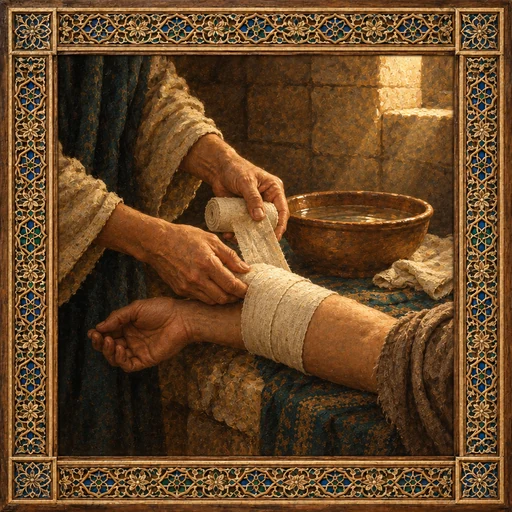
El amor a Dios y al prójimo ha movido a cristianos a acoger a los enfermos, criar a niños huérfanos, resistir la esclavitud y afrontar la injusticia. Son frutos públicos de una fe que exige un amor dispuesto al sacrificio. Jesús también advierte que llamarlo Señor no excusa la desobediencia. El mismo criterio cristiano que inspira misericordia expone los pecados de los cristianos que lo traicionan. ¿Honra nuestra conducta al Señor cuyo nombre llevamos?
Mateo 22:34–40: amar a Dios y al prójimo (KJV, en inglés) Mateo 7:15–23: el fruto y la profesión vacía (KJV, en inglés)
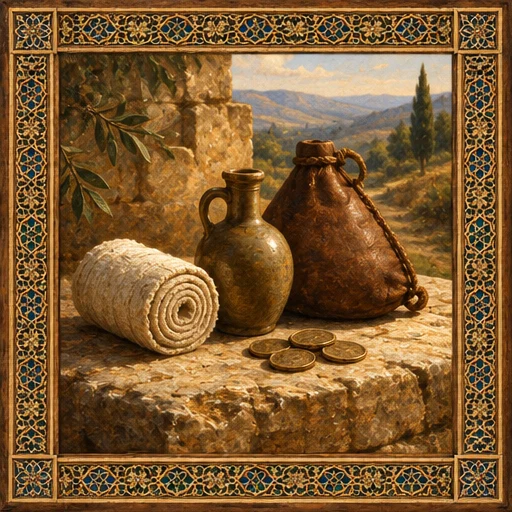
En la parábola del viajero herido, un sacerdote y un levita pasan de largo, mientras un samaritano se detiene, cura las heridas y paga por los cuidados posteriores. Jesús presenta a ese extranjero misericordioso como ejemplo a seguir. La compasión exige tiempo, dinero y disposición a acercarse al sufrimiento ajeno. La posición religiosa no la sustituye. Este es el criterio con el que deben examinarse tanto la caridad cristiana como el fracaso cristiano.
Lucas 10:25–37: el samaritano misericordioso (KJV, en inglés)
La convicción se convierte en refugio y cuidado

En la Cesarea del siglo cuarto, Basilio describió alojamiento para extranjeros y atención médica para enfermos, incluidos médicos y transporte. Gregorio Nacianceno describió el asentamiento caritativo fuera de la ciudad y el cuidado personal de Basilio por personas que padecían lepra, a quienes otros rechazaban. Gregorio entendía ese cuidado como imitación de Cristo. Su testimonio muestra cómo la misericordia cristiana tomaba forma institucional: recursos, atención médica y cuidado personal ofrecidos a personas pobres, enfermas y rechazadas.
Basilio, Carta 94 a Elías: atención médica para extranjeros Gregorio Nacianceno, Discurso 43, §§63–64: la caridad de Basilio
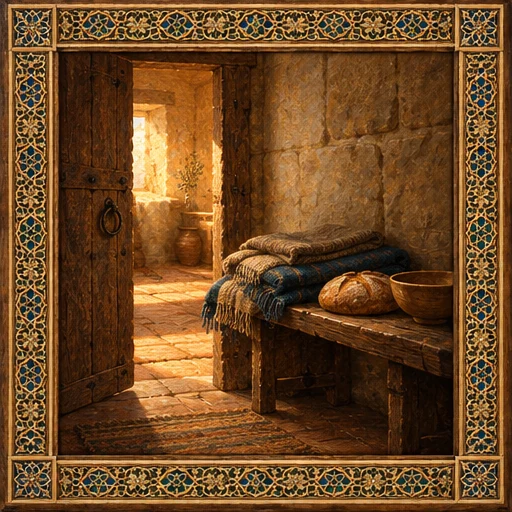
En Bristol, George Müller dejó constancia de haber recibido a los primeros niños en su hogar de huérfanos el 11 de abril de 1836. Su informe del 18 de mayo contaba veintiséis niños a cargo de una directora y una institutriz. El proyecto incluía educación cristiana y cuidado corporal, y él atribuía abiertamente su sostenimiento a Dios. Su relato ofrece un ejemplo concreto de fe expresada en una responsabilidad constante por los niños. Los huérfanos necesitaban un hogar y cuidado diario, no solo palabras de compasión.
George Müller, autobiografía, Parte 1: informe del 18 de mayo de 1836, puntos 3–6
La fe cristiana puede cuestionar el mal cometido por cristianos
La petición de Germantown de 1688 aplicó la Regla de Oro contra la esclavización de personas negras. Sus autores pidieron a otros cuáqueros que consideraran el robo de seres humanos y la separación de maridos, esposas e hijos. Las reuniones más amplias aplazaron la petición y no la respaldaron. Ambas cosas pertenecen a la historia: el razonamiento cristiano aportó una protesta contra la esclavitud y una institución cristiana no respondió a esa protesta con justicia.
Petición de Germantown contra la esclavitud, 1688: transcripción y respuestas de las reuniones
Frederick Douglass trazó la distinción con claridad en el apéndice de su autobiografía de 1845. Afirmó el cristianismo de Cristo mientras condenaba la religión que defendía la posesión de esclavos, los azotes y la destrucción de familias. No pidió a los esclavizados que pasaran por alto la hipocresía cristiana. La expuso. Su argumento desafiaba a los cristianos a obedecer al Cristo que profesaban en lugar de usar la religión para proteger el poder y el lucro.
Frederick Douglass, autobiografía (1845), apéndice, párrafos iniciales
La Carta desde la cárcel de Birmingham de Martin Luther King Jr., fechada el 16 de abril de 1963, defendió la resistencia no violenta a la segregación desde su vocación cristiana. También reprendió a las iglesias que se oponían al movimiento por la libertad o guardaban silencio. Algunos cristianos marcharon y sufrieron; otros obstruyeron la justicia. Su testimonio da a los cristianos razones para resistir el racismo y para arrepentirse de los fracasos de sus propias instituciones. El silencio de una iglesia no se vuelve justo porque sus ventanas sean hermosas.
Martin Luther King Jr., Carta desde la cárcel de Birmingham, 16 de abril de 1963

Josephine Butler también se enfrentó a la injusticia contra las mujeres. Defendió su educación y ayudó a dirigir la campaña contra leyes que imponían exploraciones íntimas obligatorias a mujeres sospechosas de prostitución, sin un examen equivalente para los clientes varones. Sus memorias fundaban los principios que defendía en la ética de Cristo y recogían la oposición de destacados eclesiásticos. La ley de derogación se promulgó el 16 de abril de 1886. Su trabajo muestra a una mujer cristiana enfrentándose a un doble rasero sexual, en lugar de aceptar la humillación como lugar propio de la mujer.
Josephine Butler, Recuerdos personales (2.ª ed. de 1898; se usa la edición de 1910), capítulos II–III, pp. 34–38 Northumberland Archives: campañas de Butler por la educación y contra las leyes de enfermedades contagiosas Ley de derogación de las leyes de enfermedades contagiosas, 16 de abril de 1886, sección 2
Reconocer los logros de nuestros vecinos
También surgieron importantes trabajos intelectuales y médicos en el mundo islámico medieval. Al-Khwarizmi enseñó métodos sistemáticos para resolver clases de ecuaciones cuadráticas. El Libro de óptica de Ibn al-Haytham hizo avanzar el estudio de la luz. El tratado quirúrgico de Al-Zahrawi describió procedimientos e instrumentos y circuló en traducción latina. Son contribuciones identificables. La convicción cristiana exige decir la verdad sobre ellas.
MacTutor de St Andrews: la ecuación cuadrática resuelta por al-Khwarizmi y su método general Biblioteca Houghton de Harvard: Libro de óptica de Ibn al-Haytham y la edición latina de 1572 British Library, Add MS 36617: el tratado quirúrgico de al-Zahrawi en latín

Un logro no convierte en verdaderas todas las afirmaciones religiosas de su autor, y una atrocidad no borra todos los logros de la sociedad en la que ocurrió. La lengua árabe, el dominio musulmán, la etnia y la creencia personal son cosas distintas. Lo que corresponde es examinar lo que las personas enseñaron e hicieron, reconociendo la humanidad del prójimo. El mandato de Jesús de amar no permite a los cristianos distorsionar la historia de otro pueblo.
El contexto no hace justa la crueldad

Los antecedentes de la Primera Cruzada incluyen conquistas musulmanas anteriores de tierras gobernadas por cristianos. Ejércitos árabes conquistaron Siria, Jerusalén y Egipto, bajo dominio bizantino, en el siglo séptimo. Más de cuatro siglos después, el emperador bizantino buscó ayuda occidental contra el poder turco, y Urbano II convocó una expedición en 1095. La petición bizantina y la proclamación religiosa del papa pertenecen al contexto inmediato. En los siglos intermedios hubo distintos gobernantes y conflictos; no pueden reducirse a una sola batalla.
Metropolitan Museum: Mediterráneo oriental, 500–1000, acontecimiento de 634–644 Metropolitan Museum: Egipto, 500–1000, conquista en 639–642 Jonathan Harris (2014), Bizancio y la Primera Cruzada, manuscrito aceptado, pp. 1–5 Urbano II, carta a los fieles de Flandes, diciembre de 1095: documento 6
En 1099, Jerusalén estaba en manos de los fatimíes, no de los mismos conquistadores del siglo séptimo ni de los gobernantes selyúcidas que amenazaban a Bizancio. Los relatos de participantes en la Cruzada describen la matanza de hombres y mujeres después de la caída de la ciudad, incluidas personas a quienes antes se había ofrecido protección. Los lectores cristianos deben afrontar ese testimonio. Las conquistas anteriores ofrecen contexto histórico; no pueden santificar la matanza de personas bajo protección. Ni una cruz en un estandarte ni la apelación a agravios pasados convierten la crueldad en obediencia a Cristo.
Lucas 10:25–37: el samaritano misericordioso (KJV, en inglés) Metropolitan Museum: Mediterráneo oriental, 1000–1400, Jerusalén en 1099 Relatos cruzados sobre Jerusalén, julio de 1099: documentos 4–5
Nombrar la injusticia y defender a la persona

Hoy se necesita la misma seriedad. UNICEF informó en agosto de 2026 de que las autoridades talibanes de Afganistán habían prohibido a las niñas la enseñanza formal más allá del sexto grado desde septiembre de 2021, y a las mujeres la universidad desde diciembre de 2022. Negar a las niñas el aprendizaje por ser niñas es una injusticia. UNESCO identifica Afganistán como el único país que impone formalmente esta exclusión más allá de la educación primaria. Por eso, la acusación debe señalar la política de los talibanes, no a toda sociedad musulmana.
UNICEF, 14 de agosto de 2026: exclusión de las niñas de la secundaria y de las mujeres de la universidad en Afganistán UNESCO, 11 de agosto de 2026, actualizado el 19 de agosto: exclusión de la educación formal en Afganistán
Mauritania presenta un fracaso distinto. Un informe de julio de 2023 de un relator de la ONU describió la persistencia de la esclavitud por ascendencia pese a la legislación que la penaliza. Una compilación de la ONU de noviembre de 2025 informó de la continuidad de prácticas análogas a la esclavitud en zonas rurales. Una prohibición sobre el papel no basta cuando las personas siguen esclavizadas. Las víctimas necesitan protección y cumplimiento de la ley. Estos hallazgos condenan prácticas y fracasos concretos; no demuestran que todos los mauritanos participen ni que todo gobierno musulmán autorice la esclavitud.
Relator de la ONU sobre la esclavitud, 21 de julio de 2023, A/HRC/54/30/Add.2, §§20–23, 28–34 Compilación de OHCHR, 4 de noviembre de 2025, A/HRC/WG.6/51/MRT/2, §30

Confía en Cristo, no en el historial de una nación
El cuidado de Basilio, el valor de los abolicionistas y la lucha de una mujer por la dignidad merecen recordarse. No pueden ganar la vida eterna para nadie. El evangelio cristiano anuncia que Jesucristo murió por nuestros pecados y resucitó. La salvación es un don de Dios, recibido por la fe, no una recompensa por los logros de una nación o por nuestras propias buenas obras. Quienes son rescatados por gracia son llamados a una vida de buenas obras, no liberados del deber de amar.
1 Corintios 15:1–8: la muerte de Cristo por los pecados y su resurrección (KJV, en inglés) Efesios 2:8–10: salvación por gracia y vida de buenas obras (KJV, en inglés)

Ven al propio Cristo. Lleva tu pecado a su luz en lugar de refugiarte en los éxitos de tu comunidad o culpar los fracasos de otra. El pecado y la falsedad traen juicio; Dios dio a su Hijo para que quienes creen en él no perezcan, sino que tengan vida eterna. La misericordia que los cristianos deben mostrar comienza en la misericordia que nosotros necesitamos recibir. Mira al Salvador crucificado y resucitado, cuya gracia nos llama a la verdad, al arrepentimiento y a un amor dispuesto al sacrificio.
1 Corintios 15:1–8: la muerte de Cristo por los pecados y su resurrección (KJV, en inglés) Juan 3:14–21: el Hijo levantado, la vida eterna y acudir a la luz (KJV, en inglés)
Consulta las fuentes.
Lista completa de fuentes(32)
King James Version
Matthew 22:34–40
Este texto de la fuente está en inglés.
34¶ But when the Pharisees had heard that he had put the Sadducees to silence, they were gathered together.
35Then one of them, which was a lawyer, asked him a question, tempting him, and saying,
36Master, which is the great commandment in the law?
37Jesus said unto him, Thou shalt love the Lord thy God with all thy heart, and with all thy soul, and with all thy mind.
38This is the first and great commandment.
39And the second is like unto it, Thou shalt love thy neighbour as thyself.
40On these two commandments hang all the law and the prophets.
King James Version
Matthew 7:15–23
Este texto de la fuente está en inglés.
15¶ Beware of false prophets, which come to you in sheep’s clothing, but inwardly they are ravening wolves.
16Ye shall know them by their fruits. Do men gather grapes of thorns, or figs of thistles?
17Even so every good tree bringeth forth good fruit; but a corrupt tree bringeth forth evil fruit.
18A good tree cannot bring forth evil fruit, neither can a corrupt tree bring forth good fruit.
19Every tree that bringeth not forth good fruit is hewn down, and cast into the fire.
20Wherefore by their fruits ye shall know them.
21¶ Not every one that saith unto me, Lord, Lord, shall enter into the kingdom of heaven; but he that doeth the will of my Father which is in heaven.
22Many will say to me in that day, Lord, Lord, have we not prophesied in thy name? and in thy name have cast out devils? and in thy name done many wonderful works?
King James Version
Luke 10:25–37
Este texto de la fuente está en inglés.
25¶ And, behold, a certain lawyer stood up, and tempted him, saying, Master, what shall I do to inherit eternal life?
26He said unto him, What is written in the law? how readest thou?
27And he answering said, Thou shalt love the Lord thy God with all thy heart, and with all thy soul, and with all thy strength, and with all thy mind; and thy neighbour as thyself.
28And he said unto him, Thou hast answered right: this do, and thou shalt live.
29But he, willing to justify himself, said unto Jesus, And who is my neighbour?
30And Jesus answering said, A certain man went down from Jerusalem to Jericho, and fell among thieves, which stripped him of his raiment, and wounded him, and departed, leaving him half dead.
31And by chance there came down a certain priest that way: and when he saw him, he passed by on the other side.
32And likewise a Levite, when he was at the place, came and looked on him, and passed by on the other side.
King James Version
Matthew 6:19–24
Este texto de la fuente está en inglés.
19¶ Lay not up for yourselves treasures upon earth, where moth and rust doth corrupt, and where thieves break through and steal:
20But lay up for yourselves treasures in heaven, where neither moth nor rust doth corrupt, and where thieves do not break through nor steal:
21For where your treasure is, there will your heart be also.
22The light of the body is the eye: if therefore thine eye be single, thy whole body shall be full of light.
23But if thine eye be evil, thy whole body shall be full of darkness. If therefore the light that is in thee be darkness, how great is that darkness!
24¶ No man can serve two masters: for either he will hate the one, and love the other; or else he will hold to the one, and despise the other. Ye cannot serve God and mammon.
King James Version
James 5:1–6
Este texto de la fuente está en inglés.
1Go to now, ye rich men, weep and howl for your miseries that shall come upon you.
2Your riches are corrupted, and your garments are motheaten.
3Your gold and silver is cankered; and the rust of them shall be a witness against you, and shall eat your flesh as it were fire. Ye have heaped treasure together for the last days.
4Behold, the hire of the labourers who have reaped down your fields, which is of you kept back by fraud, crieth: and the cries of them which have reaped are entered into the ears of the Lord of sabaoth.
5Ye have lived in pleasure on the earth, and been wanton; ye have nourished your hearts, as in a day of slaughter.
6Ye have condemned and killed the just; and he doth not resist you.
King James Version
1 Corinthians 5
Este texto de la fuente está en inglés.
1It is reported commonly that there is fornication among you, and such fornication as is not so much as named among the Gentiles, that one should have his father’s wife.
2And ye are puffed up, and have not rather mourned, that he that hath done this deed might be taken away from among you.
3For I verily, as absent in body, but present in spirit, have judged already, as though I were present, concerning him that hath so done this deed,
4In the name of our Lord Jesus Christ, when ye are gathered together, and my spirit, with the power of our Lord Jesus Christ,
5To deliver such an one unto Satan for the destruction of the flesh, that the spirit may be saved in the day of the Lord Jesus.
6Your glorying is not good. Know ye not that a little leaven leaveneth the whole lump?
7Purge out therefore the old leaven, that ye may be a new lump, as ye are unleavened. For even Christ our passover is sacrificed for us:
8Therefore let us keep the feast, not with old leaven, neither with the leaven of malice and wickedness; but with the unleavened bread of sincerity and truth.
King James Version
1 Corinthians 15:1–8
Este texto de la fuente está en inglés.
1Moreover, brethren, I declare unto you the gospel which I preached unto you, which also ye have received, and wherein ye stand;
2By which also ye are saved, if ye keep in memory what I preached unto you, unless ye have believed in vain.
3For I delivered unto you first of all that which I also received, how that Christ died for our sins according to the scriptures;
4And that he was buried, and that he rose again the third day according to the scriptures:
5And that he was seen of Cephas, then of the twelve:
6After that, he was seen of above five hundred brethren at once; of whom the greater part remain unto this present, but some are fallen asleep.
7After that, he was seen of James; then of all the apostles.
8And last of all he was seen of me also, as of one born out of due time.
King James Version
Ephesians 2:8–10
Este texto de la fuente está en inglés.
8For by grace are ye saved through faith; and that not of yourselves: it is the gift of God:
9Not of works, lest any man should boast.
10For we are his workmanship, created in Christ Jesus unto good works, which God hath before ordained that we should walk in them.
King James Version
John 3:14–21
Este texto de la fuente está en inglés.
14¶ And as Moses lifted up the serpent in the wilderness, even so must the Son of man be lifted up:
15That whosoever believeth in him should not perish, but have eternal life.
16¶ For God so loved the world, that he gave his only begotten Son, that whosoever believeth in him should not perish, but have everlasting life.
17For God sent not his Son into the world to condemn the world; but that the world through him might be saved.
18¶ He that believeth on him is not condemned: but he that believeth not is condemned already, because he hath not believed in the name of the only begotten Son of God.
19And this is the condemnation, that light is come into the world, and men loved darkness rather than light, because their deeds were evil.
20For every one that doeth evil hateth the light, neither cometh to the light, lest his deeds should be reproved.
21But he that doeth truth cometh to the light, that his deeds may be made manifest, that they are wrought in God.
King James Version
Deuteronomy 8:10–20
Este texto de la fuente está en inglés.
10When thou hast eaten and art full, then thou shalt bless the LORD thy God for the good land which he hath given thee.
11Beware that thou forget not the LORD thy God, in not keeping his commandments, and his judgments, and his statutes, which I command thee this day:
12Lest when thou hast eaten and art full, and hast built goodly houses, and dwelt therein;
13And when thy herds and thy flocks multiply, and thy silver and thy gold is multiplied, and all that thou hast is multiplied;
14Then thine heart be lifted up, and thou forget the LORD thy God, which brought thee forth out of the land of Egypt, from the house of bondage;
15Who led thee through that great and terrible wilderness, wherein were fiery serpents, and scorpions, and drought, where there was no water; who brought thee forth water out of the rock of flint;
16Who fed thee in the wilderness with manna, which thy fathers knew not, that he might humble thee, and that he might prove thee, to do thee good at thy latter end;
17And thou say in thine heart, My power and the might of mine hand hath gotten me this wealth.